
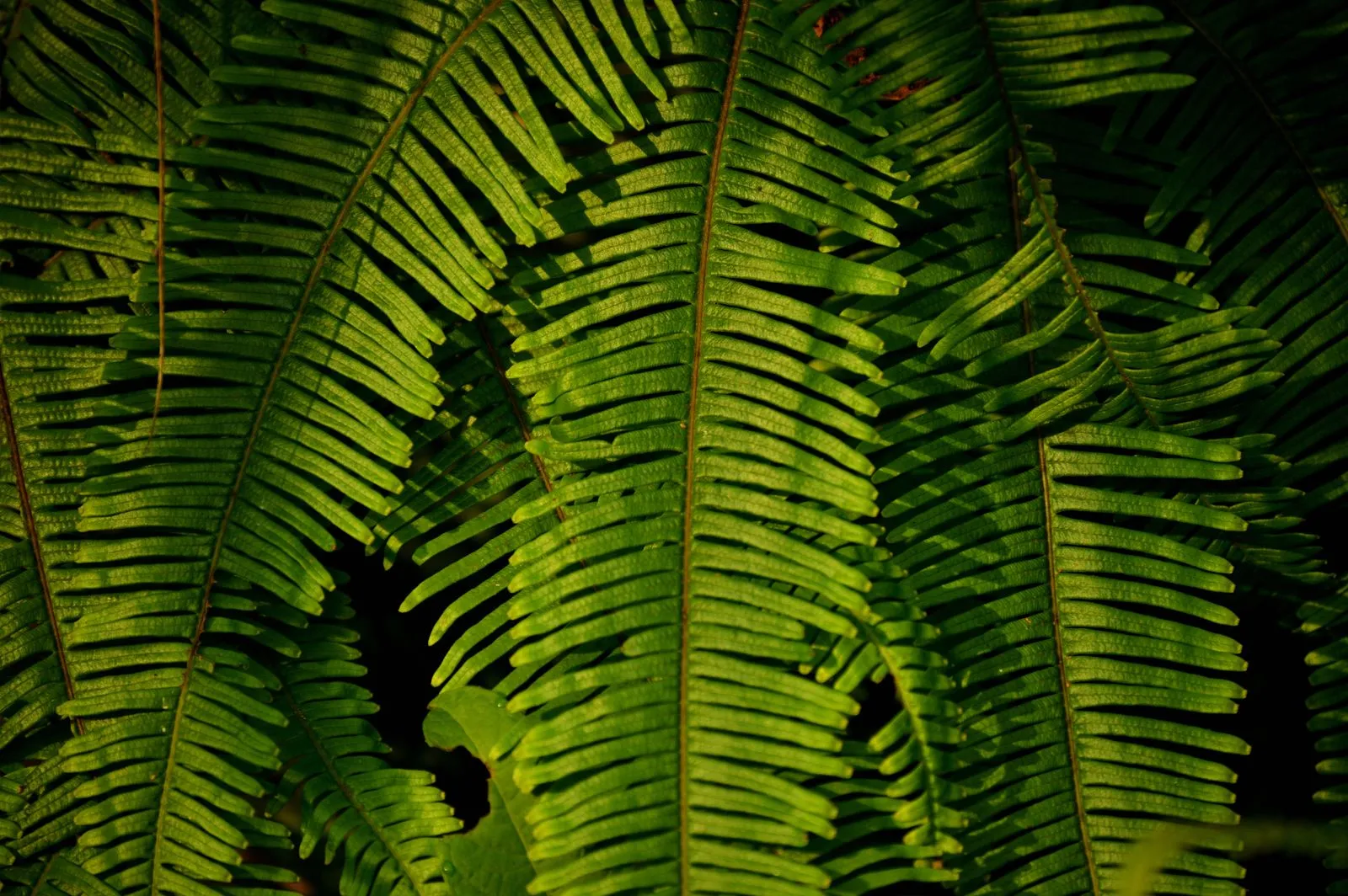
A shaded border can struggle for reasons that have little to do with light. Soil beside a building may stay damp, while ground beneath trees can be dry and crowded with roots. Before adding compost or choosing plants, check how water moves through the site and what the soil already contains. A few careful preparation steps can improve growing conditions, reduce stress on established trees, and give new plants a better start.
Check the Site Before Digging
Look at the border after rain and note where water collects, how quickly the surface dries, and whether the ground feels compacted. A simple drainage check can help: dig a small hole, fill it with water, and watch whether the water drains away or remains for several hours. Avoid testing directly against foundations or through large tree roots. Repeat in more than one spot because conditions often vary across a shaded border.
Shade does not always mean damp. Roof overhangs and walls can keep rain off the soil, and mature trees take up water through their roots. Check the ground during a dry spell as well as after rain. If soil is hard, dusty, or difficult to dig, plants may need watering even in a shady position. Keep notes on sun, moisture, and runoff to guide soil preparation and plant choices.
Improve Drainage Carefully
If water sits on the surface, first look for the cause. Compaction, a low spot, or runoff from a roof can all contribute. Loosen compacted soil gently with a garden fork where there are no major roots, then add organic matter near the surface. Do not dig deeply around established trees or cut thick roots to make planting holes. If water continues to pool, consider a raised bed or plants suited to wetter conditions rather than trying to force the site to drain.
Avoid adding a layer of gravel at the bottom of a planting hole as a general drainage fix; it can leave water sitting above the layer. For a border beside a building, direct downspouts and surface runoff away from the planting area and foundation where appropriate. Do not raise soil against siding or block vents. If drainage problems affect the building or persist across the site, get advice before making major changes.
Build Soil with Organic Matter
Add a modest layer of finished compost or well-rotted leaf mold across the soil surface, then blend it into only the upper few inches where digging is safe. Organic matter can help improve soil structure and moisture retention, which is useful under trees where soil may dry quickly. It also supports gradual soil improvement without the abrupt changes that can follow heavy amendments. Keep compost away from trunks, stems, and the base of walls.
Do not assume every shaded border needs rich soil or fertilizer. Too much added material can bury roots, alter soil conditions, or encourage soft growth that suits the site poorly. Use clean, mature compost rather than fresh manure, which can damage plants. If you are unsure about the soil’s acidity or nutrient levels, use a soil test before adding lime or fertilizer. Match amendments to the test results and the needs of the plants you plan to grow.
Prepare and Plant with Care
Remove weeds and surface debris, but work around tree roots instead of digging through them. Choose small plants that can fit between roots, and make each planting hole only as large as needed for the root ball. If you meet a thick root, move the plant rather than cutting the root. Water the root ball before planting, set it level with the surrounding soil, and firm the soil gently without packing it down.
After planting, spread a thin layer of mulch to conserve moisture and reduce weeds. Keep mulch clear of tree trunks, plant crowns, and building materials. Water new plants thoroughly, then check soil moisture regularly; shade can slow drying, but tree roots and roof cover may create dry pockets. Recheck drainage and plant health through the season, and adjust watering or mulch rather than adding more soil automatically.
Healthy soil in a shaded border starts with observing the site, then making small, root-conscious improvements. Check moisture and drainage, add suitable organic matter sparingly, and prepare planting holes with care. Choose plants for the conditions you actually have, not just the amount of shade. For help selecting plants suited to your border, contact Cambridge Shade Gardens.