
A small shaded courtyard can feel green and welcoming without needing a lawn or large planting beds. Start by noticing how much light the space receives, then choose plants suited to those conditions and the room available as they mature. Compact shrubs, leafy perennials, and a few carefully placed containers can bring varied shapes and color. With simple layering and thoughtful plant choices, even a narrow courtyard can offer interest through the seasons.
Check Light and Growing Conditions
Shade varies from place to place. A courtyard beneath a dense roof overhang may receive very little direct light, while one with open walls might get a few hours of morning sun. Observe the space at different times of day before choosing plants. Also note whether rain reaches the beds or containers, since sheltered areas can dry out faster than expected.
Check the soil or potting mix, drainage, and available planting depth. If the courtyard is paved, containers and wall-mounted planters can make use of vertical space. Choose pots with drainage holes, and group them where you can water easily. Leave enough room to reach doors, drains, and windows without brushing against plants.
Choose Compact Shade Plants
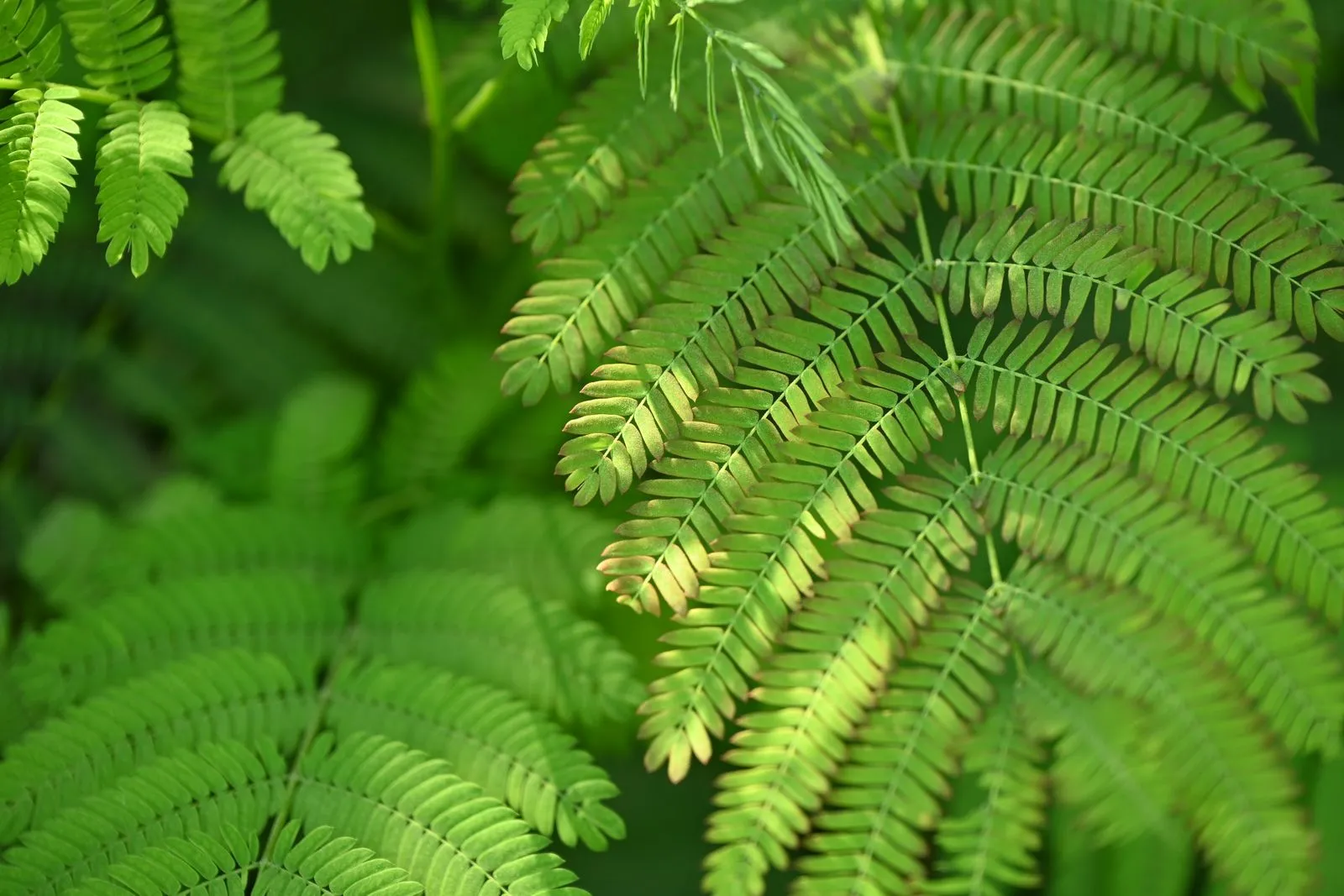
For reliable foliage, consider compact hostas, ferns, heucheras, and small-leaved ivies. Hostas offer broad leaves in different shades of green and blue-green; ferns add fine, arching fronds; and heucheras bring rounded leaves in tones that may include burgundy, bronze, or lime. Check the mature width on plant labels so that each choice fits the space rather than crowding it.
For seasonal flowers, look for shade-tolerant options such as hellebores, lungwort, and hardy geraniums suited to your local conditions. A small evergreen shrub can provide structure between flowering periods. In a tight courtyard, select one or two focal plants rather than filling every gap at once. This leaves room for growth and makes routine care simpler.
Layer Texture and Color
Combine contrasting leaf shapes to make a compact planting feel varied. Pair a broad-leaved plant with narrow fern fronds, then add a low groundcover or trailing plant near the edge of a pot. Repeating one plant or leaf color in several places helps the arrangement feel connected instead of crowded.
Use foliage as the main source of color in deep shade, where many flowers may bloom less freely. Variegated leaves can brighten a dim corner, while dark foliage adds depth against a pale wall. A few flowering plants can provide seasonal accents. Avoid mixing too many strong colors; two or three complementary tones are often easier to bring together.
Make the Most of Small Spaces
Arrange containers at different heights with a sturdy plant stand or a low shelf, keeping taller pots near the wall and shorter plants toward the front. A trellis can support a shade-tolerant climber if the courtyard receives enough light and the structure can be secured safely. Keep the center of the space open so it remains comfortable to walk through and use.
Water containers when the surface of the potting mix begins to dry, adjusting for weather and plant needs. Remove dead leaves, check for pests, and trim plants before they block paths or windows. Refresh the layout gradually as plants grow. Cambridge Shade Gardens can help you match compact plants to your courtyard’s light and available space.
A successful shaded courtyard depends on choosing plants for its actual light, then combining foliage, flowers, and containers without overcrowding the space. Start with a few compact plants, observe how they grow, and adjust the arrangement as needed. For help selecting suitable options, contact Cambridge Shade Gardens and describe your courtyard’s conditions.