
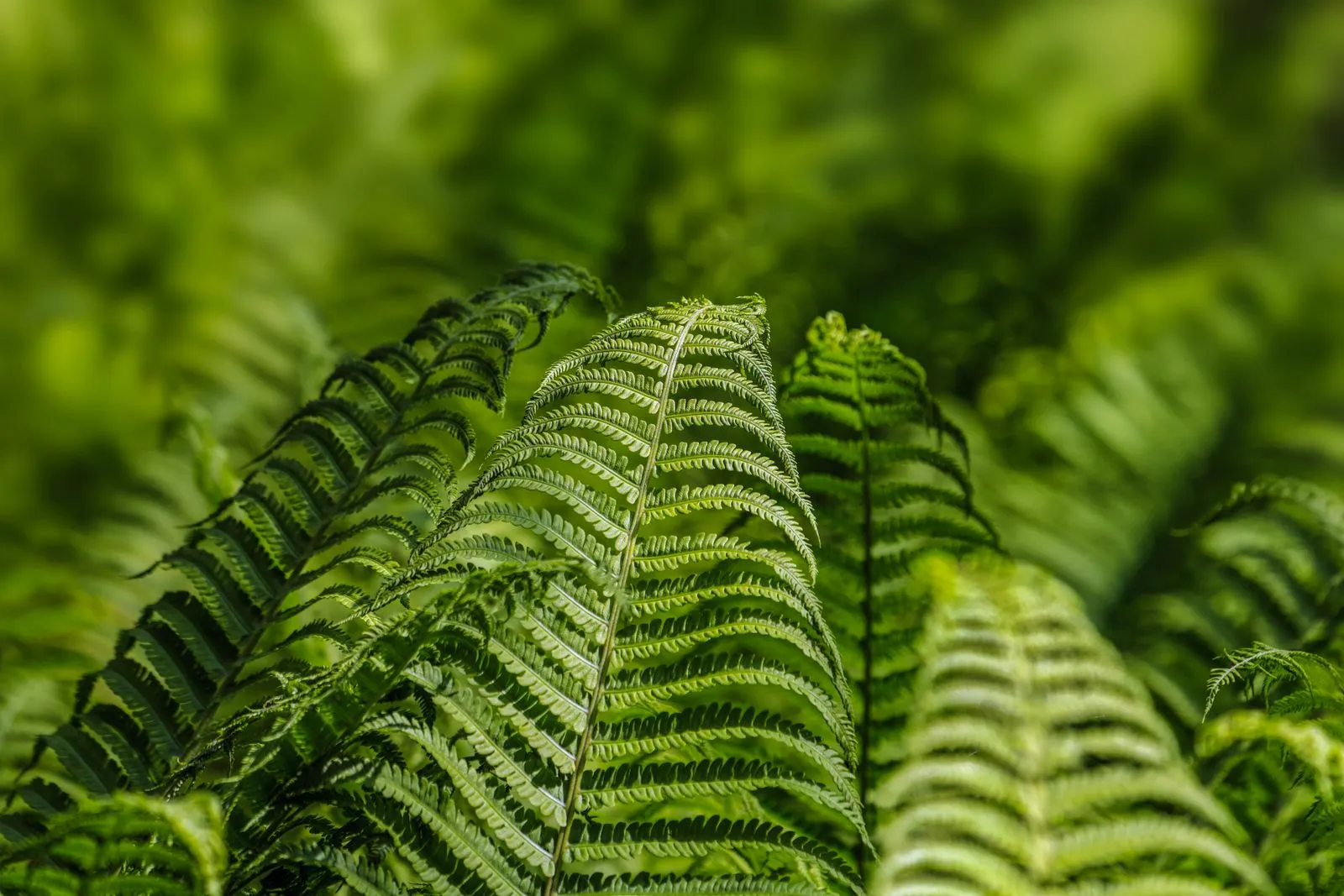
A shady garden can support a varied mix of foliage, flowers, and ground cover, but the right choices depend on more than how much sun the space gets. Light shifts through the day and across the seasons, while soil and moisture affect which plants can thrive. Start by observing your garden rather than picking plants by appearance alone. A few simple checks will help you narrow the options and create a planting plan suited to the conditions.
Map the Light
Watch the area at different times of day and note where direct sunlight reaches the ground. Morning sun is generally gentler than strong afternoon sun. Also check for seasonal changes: deciduous trees may allow more light through in early spring before their leaves open, then cast deeper shade in summer.
Garden labels often describe plants as suited to full shade, partial shade, or dappled shade. Treat these as starting points, not guarantees. A bright spot under a thin canopy differs from a dark area beside a wall. Record what you see, including reflected light and the shade cast by buildings or fences.
Check the Soil
Use a hand trowel to inspect the soil in several places. Notice whether it feels sandy and loose, sticky and clay-heavy, or crumbly. Check how easily roots could move through it, and look for compacted patches that may need loosening before planting. Soil texture helps indicate how quickly water drains and how much it holds.
A basic soil test can help identify pH and nutrient levels, especially if plants struggle or the site has been disturbed. Choose plants that match the existing conditions where possible. If you plan to improve the soil, add well-rotted organic matter in moderation and follow plant-specific needs; some woodland plants prefer conditions that differ from those of ordinary garden borders.
Track Moisture and Drainage
Shade does not always mean damp. Trees and large shrubs can draw substantial water from the soil, leaving nearby planting beds dry even when the area receives little sun. Check moisture a few inches below the surface after rain and during dry spells. A spot that looks cool may still need regular watering while new plants establish.
Look for signs of poor drainage, such as water that lingers after rain or persistently soggy soil. In a dry bed, consider plants that tolerate drier shade and group them where watering is practical. For consistently moist ground, choose plants suited to those conditions. Avoid placing moisture-loving plants beneath thirsty trees unless you can keep their root zone reliably watered.
Match Plants to the Site
Combine your light, soil, and moisture notes before browsing. A plant labeled for partial shade may be a good fit for a bright bed with a few hours of sun, but not for a dry, densely shaded spot. Check the mature height and spread, too, so plants have room to grow and do not crowd paths, windows, or neighboring plants.
Build a short list of plants that share similar needs, then consider how their foliage and flowering seasons will work together. Start with a small number of well-matched plants rather than filling the space at once. Water them as needed while they establish, add mulch without piling it against stems, and review their growth before expanding the planting.
The most reliable shade garden plan starts with careful observation: measure the light, feel the soil, and check how moisture changes over time. Use those conditions to guide your plant choices, then leave room to adjust as the garden grows. For help matching plants to a specific site, Cambridge Shade Gardens can help you explore suitable options.